
Can Microdosing Help Manage Stress? What Researchers Are Studying
Introduction
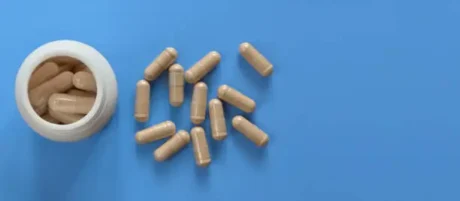
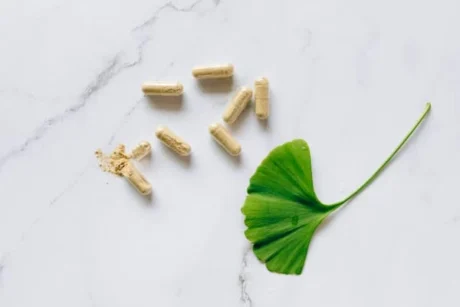
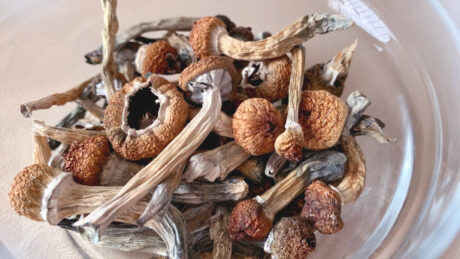
Microdosing has become a widely discussed topic in wellness communities, neuroscience research, and mental health conversations. One of the most common claims is that it may help with stress management. However, scientific research is still developing, and results remain mixed. Manage Stress
This article explores what researchers are currently studying, what people report, and how stress management actually works from a psychological and lifestyle perspective.
What People Report About Microdosing and Stress
Many individuals who have tried microdosing describe personal experiences such as:
- Feeling less overwhelmed by daily pressures
- Improved emotional balance
- Increased calmness in stressful situations
- Greater clarity and focus
However, these reports are largely based on self-reported experiences, not controlled clinical trials. Because of this, scientists consider them interesting but not definitive evidence.Manage Stress
What Stress Management Actually Involves
Stress management is not dependent on any single method or substance. Instead, it involves recognizing stressors, adjusting your responses, and building healthy habits that support both mental and physical well-being.
Key Principles of Stress Management
Effective stress management includes:
- Identifying sources of stress and acknowledging the feelings they bring up
- Accepting that some events are beyond your control and focusing on your response
- Practicing daily habits that support emotional balance and resilience
Evidence-Based Stress Management Strategies
Regardless of ongoing research in neuroscience, there are well-established lifestyle practices that support stress reduction and mental well-being:
🧘 Breathing Techniques
Practice deep breathing by inhaling through your nose, allowing your belly to rise, and exhaling slowly. This helps calm the nervous system and reduce immediate stress responses.
🏃 Physical Activity
Engage in regular movement such as walking, cycling, or swimming. Exercise helps improve mood, reduce stress hormones, and support better sleep quality.
🥗 Healthy Nutrition
Maintain a balanced diet rich in whole foods, lean proteins, and healthy fats while limiting processed foods. Nutrition plays a key role in energy levels and emotional stability.
😴 Sleep Hygiene
Set a consistent sleep schedule and create a dark, quiet, and cool bedroom environment to support restorative sleep.
📵 Digital Boundaries
Take breaks from news and social media to reduce mental overload and emotional fatigue.
🌿 Relaxation and Hobbies
Make time for hobbies, relaxation, or spending time outdoors to reset the mind.
🤝 Social Connection
Connect with supportive friends, family, or community groups to strengthen emotional resilience.
🙏 Gratitude Practice
Practice gratitude daily by writing down things you are thankful for, which helps shift focus toward positive experiences.
💭 Positive Self-Talk
Use constructive inner dialogue to challenge negative thoughts and reframe your mindset.
🧠 Mindfulness and Meditation
Try mindfulness or meditation practices to stay present and reduce anxiety.
📋 Time Management
Avoid procrastination by making to-do lists and setting realistic deadlines.
😄 Emotional Release
Spend time with pets or engage in laughter to naturally release feel-good hormones.
🚧 Healthy Boundaries
Create boundaries and learn to say no to commitments that cause excessive stress.
🆘 Professional Support
Seek professional help, such as therapy or counseling, if stress interferes with daily life.
What Scientific Research Is Exploring
Researchers are studying how certain compounds may interact with serotonin receptors in the brain. Serotonin plays a key role in mood regulation, cognition, and emotional processing.
Key Areas of Interest:
- Brain connectivity and communication
- Emotional regulation systems
- Neuroplasticity (the brain’s ability to adapt and form new connections)
- Cognitive flexibility and attention
Some studies suggest possible associations between microdosing and improved well-being, but results are not consistent, and placebo effects may play a significant role.
Why Results Are Still Unclear
Stress is influenced by many factors, including:
- Sleep quality
- Environment
- Life events
- Personality traits
- Mental health history
Because of this complexity, it is difficult to isolate whether microdosing itself directly affects stress levels.
Most researchers agree that more large-scale, controlled studies are needed.
Important Safety and Legal Considerations
Research into microdosing is still ongoing. In many countries, substances involved are regulated or restricted, and studies are conducted under strict ethical and legal guidelines.
Anyone interested in this topic should rely on credible scientific sources and follow local laws.
Conclusion
Microdosing is an emerging topic in neuroscience and wellness research, but its effects on stress are not yet fully understood.
What we do know is:
- Many people report reduced stress and improved emotional balance
- Scientific evidence is still limited and mixed
- Lifestyle-based stress management strategies are strongly supported by research
- More clinical studies are needed to draw clear conclusions
Learn More
For more educational content about mycology, neuroscience, and emerging research topics, visit:SoulCybin
Disclaimer: This article is for educational and informational purposes only and does not provide medical or legal advice. Always consult qualified professionals for health-related concerns..