
Magic Mushrooms for Anxiety: Can Psilocybin Help Mental Health?

Anxiety disorders affect millions of people worldwide and remain one of the most common mental health challenges today. While traditional treatments such as therapy and prescription medications help many individuals, researchers are increasingly exploring whether psilocybin — the psychoactive compound found in magic mushrooms — may offer new possibilities for emotional healing and psychological support.
Interest in magic mushrooms for anxiety has grown rapidly due to expanding psychedelic research and promising early clinical studies involving psilocybin-assisted therapy.
What Is Psilocybin?
Psilocybin is a naturally occurring psychedelic compound found in certain mushroom species commonly referred to as “magic mushrooms.” After consumption, the body converts psilocybin into psilocin, which interacts with serotonin receptors in the brain.
Serotonin plays a major role in:
- Mood regulation
- Emotional processing
- Fear responses
- Stress management
- Cognitive flexibility
Researchers believe these interactions may help explain why psilocybin therapy is being studied for anxiety and other mental health conditions.
Why Researchers Are Studying Psilocybin for Anxiety
Many people living with anxiety experience:
- Constant worry
- Panic attacks
- Racing thoughts
- Social fear
- Emotional tension
- Sleep disturbances
Although conventional treatments remain important, not everyone responds positively to standard medications or therapy alone. Because of this, scientists are investigating whether psychedelic-assisted therapy may help certain individuals process emotions differently.
Some researchers believe psilocybin may temporarily reduce rigid patterns of fear and negative thinking often associated with anxiety disorders.
How Psilocybin May Affect the Brain
Brain imaging studies suggest that psilocybin influences communication between different regions of the brain.
Researchers studying psilocybin for anxiety have observed possible effects involving:
- Reduced overactivity in fear-related networks
- Increased emotional openness
- Greater cognitive flexibility
- Reduced repetitive negative thinking
Some scientists also believe psilocybin may temporarily disrupt patterns associated with excessive rumination and self-critical thought loops.
This may help some individuals gain new emotional perspectives during guided therapeutic sessions.
What Happens During Psilocybin Therapy?
In clinical settings, psilocybin-assisted therapy usually involves several stages rather than simply taking a substance alone.
1. Preparation Sessions
Patients meet with trained therapists before treatment to discuss:
- Emotional history
- Anxiety symptoms
- Personal goals
- Fears and expectations
Building emotional trust and safety is considered extremely important.
2. Guided Psilocybin Session
During the session:
- Patients remain in a calm environment
- Therapists provide supervision and emotional support
- Relaxing music and comfortable surroundings are often used
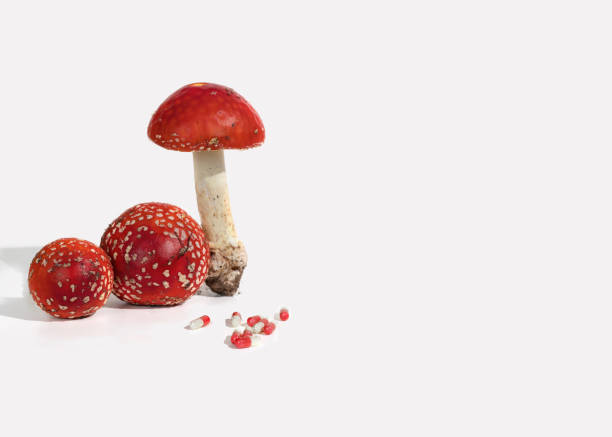
The experience may last several hours depending on dosage and individual response.
3. Integration Therapy
Afterward, therapists help patients process emotions, memories, and insights that emerged during the session.
Researchers believe integration therapy plays a major role in long-term psychological benefits.
Reported Benefits in Research Studies
Although scientific research is still developing, some participants in clinical studies have reported:
- Reduced anxiety symptoms
- Increased emotional resilience
- Improved mood
- Reduced fear surrounding stressful situations
- Greater mindfulness
- Improved relationships
- Enhanced self-awareness
Some studies involving individuals with serious medical illnesses also found reductions in existential anxiety and emotional distress after guided psilocybin sessions.
Psilocybin and Trauma-Related Anxiety
Researchers are also exploring whether mushrooms for trauma healing may help individuals experiencing PTSD-related anxiety.
Some scientists believe psilocybin-assisted therapy may help patients:
- Revisit traumatic memories with reduced fear
- Process unresolved emotions
- Reduce emotional avoidance
- Improve emotional connection
However, experts emphasize that these experiences should occur only in properly supervised therapeutic settings.
Risks and Side Effects
Despite growing excitement surrounding psychedelic anxiety treatment, psilocybin is not risk-free.
Possible side effects may include:
- Panic or overwhelming emotions
- Temporary confusion
- Increased heart rate
- Hallucinations
- Emotional vulnerability
- Anxiety during difficult experiences
Psilocybin may also be inappropriate for individuals with certain psychiatric conditions, especially those involving psychosis.
Researchers strongly caution against unsupervised self-treatment.
The Importance of Set and Setting
One of the most important concepts in psychedelic therapy is “set and setting.”
- Set refers to mindset, emotions, and expectations before the experience.
- Setting refers to the physical environment and social support during the session.
Studies suggest supportive, calm environments significantly improve emotional safety and therapeutic outcomes.
Current Research and Future Potential
Universities and medical institutions worldwide continue expanding psychedelic therapy research involving:

- Anxiety disorders
- PTSD
- Depression
- Addiction recovery
- End-of-life distress
Some experts believe psilocybin-assisted therapy could eventually become part of regulated mental health treatment programs if future studies continue showing positive results.
However, researchers emphasize that more long-term clinical studies are still needed regarding:
- Safety
- Dosage standards
- Long-term effects
- Patient selection
- Treatment protocols
Final Thoughts
The growing interest in magic mushrooms for anxiety reflects a major shift in modern mental health research. Early studies suggest psilocybin-assisted therapy may help some individuals reduce fear responses, process emotions more openly, and improve psychological well-being when combined with professional therapeutic support.
As research continues evolving, scientists hope to better understand how psychedelic therapies may safely contribute to future mental health treatments.