
Can Magic Mushrooms Help Anxiety and PTSD?
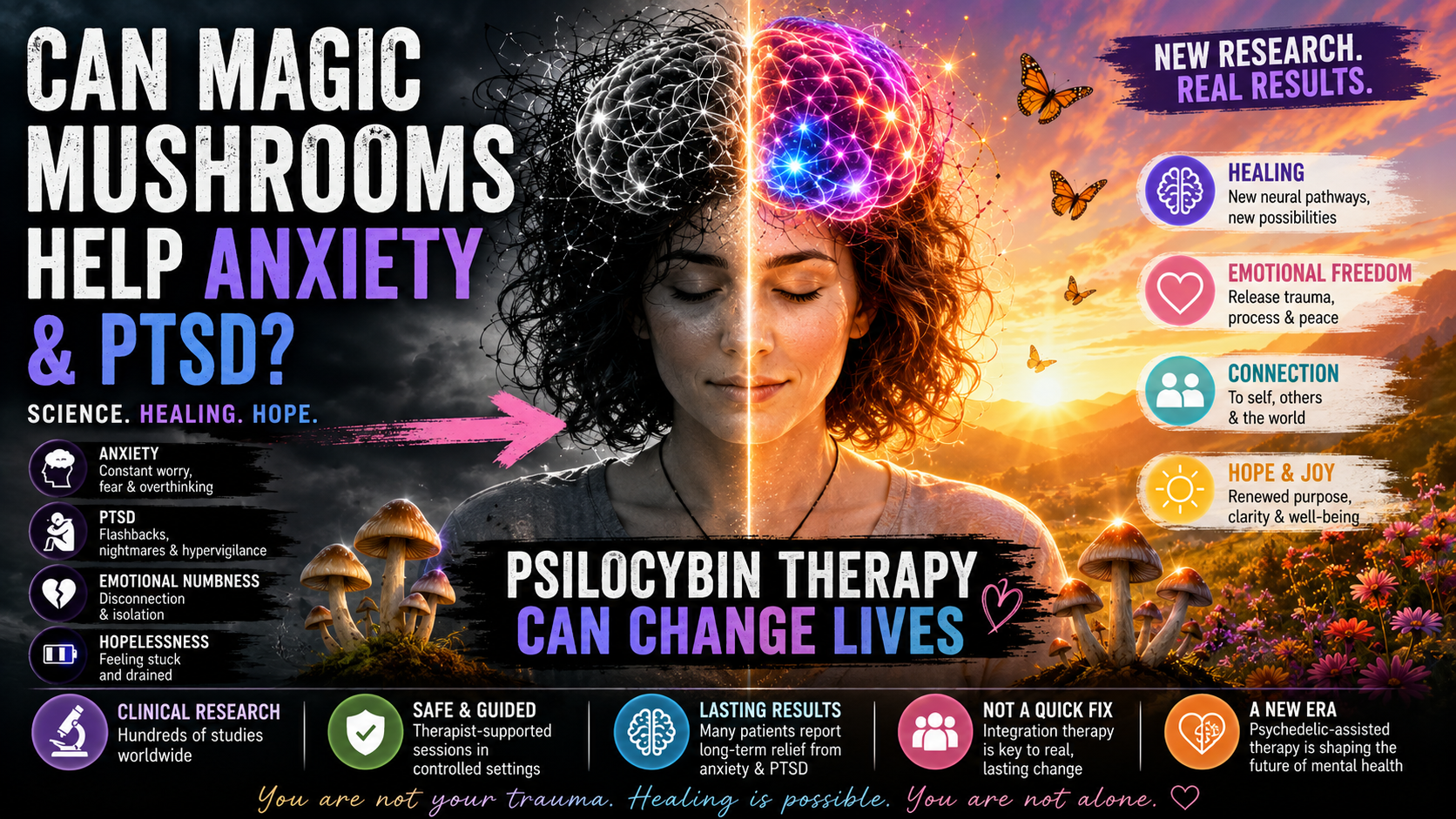
Mental health researchers around the world are increasingly studying whether psilocybin-assisted therapy may help people struggling with anxiety disorders and post-traumatic stress disorder (PTSD). While traditional treatments such as antidepressants and psychotherapy remain the standard approach, growing psychedelic research has sparked interest in new therapeutic possibilities involving magic mushrooms and mental health treatment.
Psilocybin, the psychoactive compound found in certain mushrooms, is now being explored in controlled clinical settings to better understand how it may influence emotional healing, trauma processing, and long-term psychological well-being.
What Is Psilocybin?
Psilocybin is a naturally occurring psychedelic compound found in several mushroom species. Once consumed, the body converts psilocybin into psilocin, which interacts with serotonin receptors in the brain.
Serotonin plays a major role in regulating mood, emotional responses, perception, and cognition. Researchers believe that these interactions may temporarily alter rigid patterns of thinking often associated with anxiety, trauma, and depression.
Unlike recreational use, clinical psilocybin therapy takes place in highly controlled environments with trained professionals guiding the experience before, during, and after treatment sessions.
Why Researchers Are Exploring Psilocybin for Anxiety
Anxiety disorders affect millions of people worldwide and can significantly impact daily life, relationships, sleep, and emotional health. Many individuals continue to experience symptoms despite using conventional medications or therapy.
Because of this, researchers are investigating whether psychedelic anxiety treatment could provide relief for some patients who have not responded well to traditional methods.
Early studies suggest that psilocybin-assisted therapy may help reduce excessive fear responses, emotional avoidance, and negative thought loops commonly linked to anxiety disorders.
Some participants in clinical research report:
- Reduced social anxiety
- Greater emotional openness
- Increased mindfulness
- Improved mood
- Reduced fear surrounding life stress and uncertainty
Researchers emphasize that these effects appear strongest when psilocybin sessions are combined with professional therapeutic support.
Psilocybin PTSD Research and Trauma Healing
PTSD is a complex mental health condition that may develop after experiencing traumatic events such as violence, abuse, accidents, combat exposure, or severe emotional distress.
People living with PTSD often struggle with:
- Flashbacks
- Nightmares
- Hypervigilance
- Emotional numbness
- Panic attacks
- Persistent fear responses
Recent psilocybin PTSD research is exploring whether guided psychedelic experiences may help patients process unresolved trauma in new ways.
Researchers believe psilocybin may temporarily reduce defensive emotional barriers, allowing some individuals to revisit traumatic memories with less overwhelming fear and greater emotional clarity.
This process may help certain patients:
- Reframe traumatic experiences
- Reduce emotional suppression
- Improve emotional connection
- Increase self-compassion
- Process grief and fear more openly
Scientists studying mushrooms for trauma healing stress that therapy integration plays a critical role in helping patients understand and apply insights gained during psychedelic sessions.
How Psychedelic-Assisted Therapy Works
Psilocybin therapy is very different from casual or unsupervised psychedelic use. In research settings, treatment usually involves several structured stages.
1. Preparation Sessions
Before receiving psilocybin, patients typically meet with therapists to discuss:
- Emotional history
- Personal goals
- Mental health concerns
- Expectations and fears
Building trust between patients and therapists is considered extremely important.
2. Guided Psilocybin Session
During the session, patients remain in a calm, supervised environment while trained professionals provide emotional support throughout the experience.
Many therapy rooms are intentionally designed to feel peaceful and safe, often including:
- Soft lighting
- Comfortable furniture
- Relaxing music
- Minimal distractions
The psychedelic experience itself may last several hours.
3. Integration Therapy
After the session, therapists help patients process emotions, thoughts, and experiences that emerged during treatment.
Researchers believe integration therapy is essential because it helps transform psychedelic experiences into long-term psychological growth and behavioral change.
How Psilocybin May Affect Fear Responses
One reason psilocybin for anxiety has attracted scientific attention is because of its effects on brain networks involved in fear and emotional regulation.
Brain imaging studies suggest that psilocybin may temporarily reduce activity in regions associated with:
- Rumination
- Self-critical thinking
- Emotional over-processing
Researchers also believe psilocybin may increase communication between brain regions that do not normally interact as strongly.
Some scientists describe this as temporarily “loosening” rigid mental patterns, potentially helping patients approach traumatic memories and anxious thoughts from a different perspective.
Potential Benefits Reported in Studies
Although research is still ongoing, some participants in clinical trials have reported:
- Reduced anxiety symptoms
- Improved emotional resilience
- Greater sense of peace
- Enhanced personal insight
- Better relationships
- Reduced trauma-related distress
Some studies also suggest that positive effects may last weeks or even months after guided treatment sessions.
However, responses vary significantly between individuals.
Risks and Important Considerations
Despite promising research, psilocybin therapy is not risk-free.
Possible side effects and risks may include:
- Intense emotional experiences
- Anxiety or panic during sessions
- Temporary confusion
- Hallucinations
- Increased heart rate
- Emotional vulnerability
Psilocybin may also be inappropriate for individuals with certain psychiatric conditions, especially those involving psychosis or severe personality disorders.
Researchers strongly caution against self-medicating without professional supervision.
The Importance of Set and Setting
One of the most important ideas in psychedelic therapy is “set and setting.”
- Set refers to a person’s mindset, emotional condition, and expectations.
- Setting refers to the physical environment and social support during the experience.
Clinical researchers believe supportive environments significantly influence safety, comfort, and therapeutic outcomes.
The Future of Psychedelic Anxiety Treatment
Interest in psychedelic-assisted therapy continues to grow rapidly across the medical and scientific communities. Universities and mental health organizations are expanding research into:
- Anxiety disorders
- PTSD
- Depression
- Addiction recovery
- End-of-life emotional distress
Some experts believe psilocybin-assisted therapy could eventually become part of regulated mental health treatment programs if future research continues producing positive results.
However, scientists also stress the need for larger clinical trials, long-term safety studies, and professional treatment standards before widespread medical adoption occurs.
Final Thoughts
The growing interest in psilocybin for anxiety and trauma healing reflects a major shift in modern mental health research. While psilocybin-assisted therapy remains under scientific investigation, early studies suggest it may offer meaningful psychological benefits for some individuals when combined with professional therapeutic support.
As psilocybin PTSD research continues evolving, researchers hope to better understand how psychedelic therapies may help patients process trauma, reduce fear responses, and improve emotional well-being in safe and clinically supervised settings.