
Psilocybin for Depression: Latest Research on Psychedelic Therapy
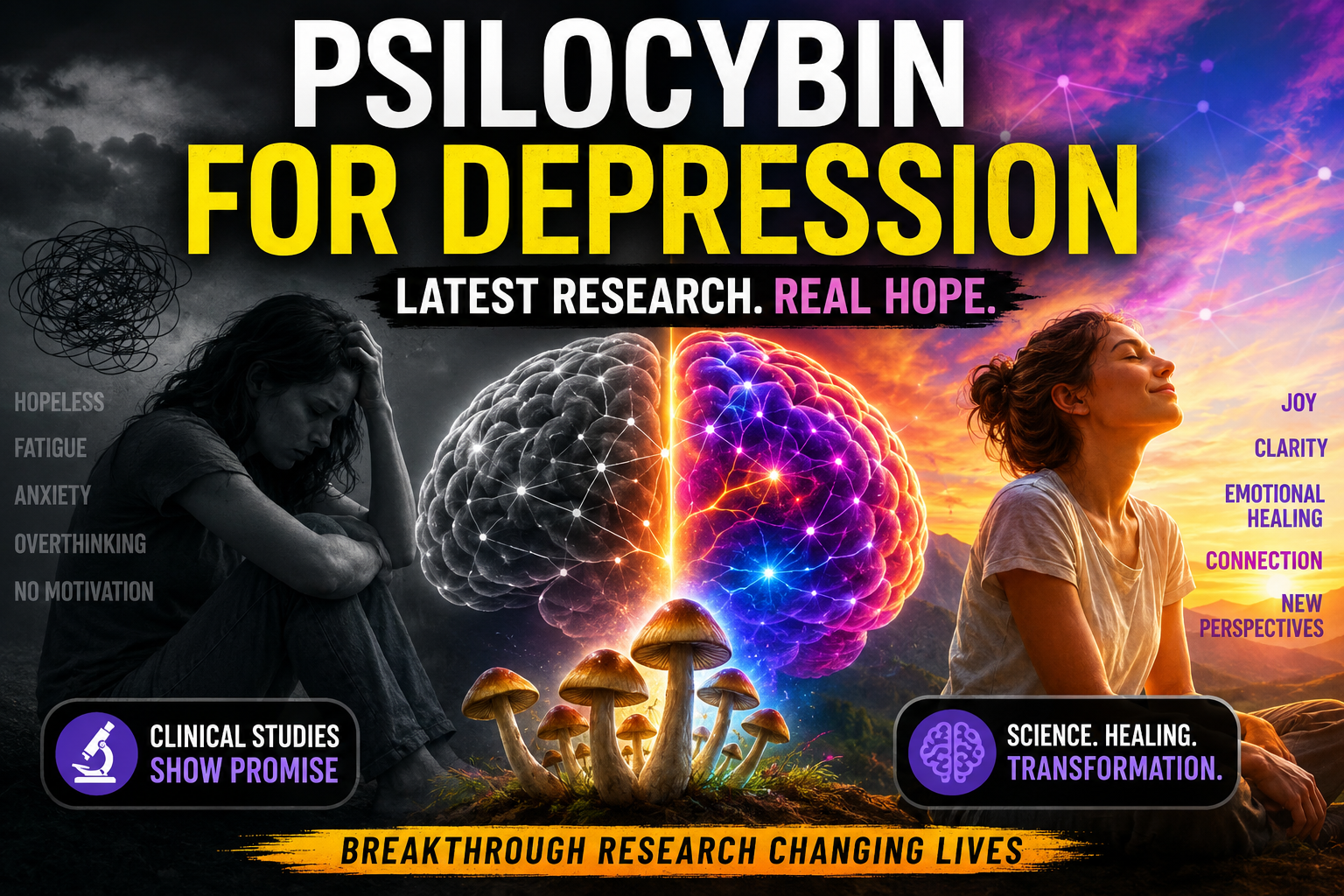
Depression continues to affect millions of people worldwide, and for many individuals, traditional treatments such as antidepressants and psychotherapy do not always provide lasting relief. Because of this, researchers have increasingly turned their attention toward psychedelic-assisted therapy, especially the potential role of psilocybin for depression.
Psilocybin, the naturally occurring psychedelic compound found in certain species of mushrooms, has become one of the most discussed topics in modern mental health research. Universities, medical institutions, and clinical researchers are now studying whether controlled psilocybin therapy sessions could offer a breakthrough for treatment-resistant depression and other mental health conditions.
What Is Psilocybin?
Psilocybin is a psychoactive compound found in “magic mushrooms.” Once consumed, the body converts psilocybin into psilocin, which interacts with serotonin receptors in the brain. Serotonin plays a major role in mood regulation, emotional processing, and cognition.
Unlike traditional antidepressants that are often taken daily, psilocybin-assisted therapy usually involves one or several supervised sessions combined with psychological support and therapy.
Why Researchers Are Studying Psilocybin for Depression
Treatment-resistant depression remains a major challenge in psychiatry. Many patients report that conventional medications either stop working over time or fail to improve symptoms entirely. This has led scientists to explore depression treatment alternatives that may work through different neurological pathways.
Early psychedelic therapy research suggests that psilocybin may help “reset” patterns of negative thinking and emotional rigidity often associated with depression. Researchers believe that psilocybin temporarily increases brain connectivity, allowing regions of the brain that normally communicate less frequently to interact more openly.
Some scientists compare this process to creating a temporary “window of flexibility” in the brain, which may help patients process emotions, trauma, and deeply rooted thought patterns in new ways.
Recent University Studies and Clinical Trials
Several major universities and medical institutions have conducted promising studies involving psilocybin and mental health treatment.
Johns Hopkins University
Researchers at Johns Hopkins have published studies examining psilocybin-assisted therapy for major depressive disorder. Some participants reported significant reductions in depressive symptoms after guided therapy sessions involving psilocybin.
Imperial College London
Imperial College London has also become one of the leading institutions studying psychedelic therapy research. Brain imaging studies from the university suggest that psilocybin may reduce activity in brain regions linked to repetitive negative thinking and emotional over-processing.
NYU Langone Health
Researchers at NYU have explored psilocybin therapy for patients experiencing depression and anxiety related to life-threatening illnesses. Some studies reported long-lasting improvements in emotional well-being and reduced existential distress.
Although these studies are still ongoing, the results have encouraged further research into how psychedelic-assisted therapies may eventually become part of mainstream psychiatric treatment.
How Psilocybin Affects the Brain
One reason psilocybin for depression has attracted so much attention is because of its unique effects on brain function.
Brain scans suggest that psilocybin temporarily disrupts rigid neural networks associated with self-critical thinking and depressive rumination. Researchers often focus on something called the “default mode network,” a system involved in self-reflection and repetitive internal thought patterns.
Under supervised conditions, psilocybin appears to temporarily reduce overactivity within this network. Many participants describe experiencing increased emotional openness, new perspectives on personal struggles, and a greater sense of connection to themselves and others.
Researchers also believe that psilocybin may encourage neuroplasticity, which refers to the brain’s ability to reorganize and form new connections.
Patient Experiences and Reported Outcomes
Many participants involved in clinical trials describe psilocybin therapy as emotionally intense but meaningful. Some report improvements in mood, reduced feelings of hopelessness, and increased emotional clarity after guided sessions.
Commonly reported benefits in research settings include:
- Reduced depressive symptoms
- Increased emotional openness
- Greater sense of purpose
- Reduced anxiety
- Improved relationships
- Enhanced mindfulness and self-awareness
However, experiences vary significantly from person to person, and researchers emphasize that psilocybin is not a guaranteed cure for depression.
Potential Risks and Side Effects
Despite the excitement surrounding magic mushrooms and mental health research, psilocybin therapy is not risk-free.
Possible risks may include:
- Anxiety or panic during sessions
- Temporary confusion
- Emotional distress
- Increased heart rate
- Hallucinations and altered perception
Researchers also warn that psilocybin may not be appropriate for individuals with certain psychiatric conditions, including a personal or family history of psychotic disorders.
This is why clinical studies are conducted in highly controlled environments with trained professionals, medical screening, and therapeutic support before and after sessions.
The Importance of Set and Setting
One of the most important concepts in psychedelic-assisted therapy is “set and setting.”
- Set refers to the individual’s mindset, emotional state, and expectations before the experience.
- Setting refers to the physical environment and the people present during the session.
Researchers believe that a calm, supportive environment greatly influences patient outcomes and emotional safety during psilocybin therapy sessions.
The Future of Psychedelic Mental Health Treatments
Interest in psychedelic medicine continues to grow rapidly around the world. Some experts believe psilocybin-assisted therapy could eventually become an approved treatment option for specific mental health conditions if future studies continue to show positive results.
Governments and regulatory agencies are closely monitoring ongoing research, while universities continue expanding clinical trials focused on depression, PTSD, addiction recovery, and anxiety disorders.
Although more long-term research is still needed, psilocybin for depression has already become one of the most important developments in modern psychedelic therapy research.
Final Thoughts
The growing body of research surrounding psilocybin and depression treatment alternatives is changing how many scientists view mental health care. While psilocybin-assisted therapy remains under scientific investigation, early clinical studies suggest it may hold significant therapeutic potential for some individuals struggling with treatment-resistant depression.
As psychedelic therapy research continues evolving, researchers hope future studies will provide clearer answers about safety, effectiveness, long-term outcomes, and how these therapies may eventually fit into mainstream mental health treatment.