
What if your morning cup of chocolate could actually be good for you? Not just “treat yourself” good, but genuinely nourishing for your body and mind. That’s exactly what happens when you swap your regular cocoa for cacao powder, and trust me, once you make the switch, you won’t look back.
Cacao powder has been used for thousands of years, from ancient Mayan ceremonies to modern wellness rituals, and it’s having a serious moment right now. But with so much buzz around it, it can be hard to know where to start, especially if you’re completely new to the world of superfoods.
That’s where this guide comes in. Whether you’ve spotted cacao powder at your local health store and wondered what the heck to do with it, or you’ve heard people raving about cacao ceremonies and gotten curious, this post has you covered. We’re breaking down the top benefits of cacao powder, exploring some beautiful ways to use it in daily rituals, and sharing simple, beginner-friendly ideas to get it into your routine starting today. Let’s dive in!
What Is Cacao Powder and How Is It Made
Cacao powder is one of nature’s most beautifully preserved superfoods. At its core, it is the minimally processed result of fermenting, drying, and cold-pressing cacao beans harvested from the Theobroma cacao tree, a name that translates literally to “food of the gods.” Unlike many ingredients that lose their vitality through industrial processing, quality cacao powder retains its natural fats, flavonoids, magnesium, and antioxidants because of the gentle, low-heat methods used to create it. The result is a rich, complex powder that carries both nutritional depth and a quiet kind of reverence. You can learn more about the health benefits of cacao powder and why its minimal processing matters so much for wellness.
From Cacao Pod to Powder
The journey begins in tropical regions like Central and South America and West Africa, where ripe cacao pods are harvested by hand. The beans and their surrounding pulp are scooped out and left to ferment for several days, a natural process that develops flavor and softens bitterness. After fermentation, the beans are carefully dried, typically under the sun, to reduce moisture without stripping nutrients. For true cacao powder, the dried beans are then cold-pressed or processed at low temperatures rather than roasted at high heat. This distinction is everything. The cold-pressing separates the cacao butter from the solids, and those remaining solids are ground into the fine, dark powder we know. Keeping temperatures low preserves the enzymes, flavonoids, and minerals that heat would otherwise destroy.
Cacao vs. Cocoa: Why Processing Matters
Conventional cocoa powder starts from the same bean but takes a very different path. High-temperature roasting, sometimes reaching over 300°F, mellows the flavor but significantly reduces the antioxidant content. Dutch-processed cocoa goes even further, using an alkalizing treatment that neutralizes acidity and darkens the color while altering the nutritional profile even more. For wellness-focused consumers, understanding the difference between cacao and cocoa powder is an important starting point. Cacao powder tends to be more bitter and more nutritionally intact, making it the preferred choice for those building intentional, health-centered rituals.
Ancient Roots, Modern Ritual
Cacao is not a modern wellness trend. The Olmec, Maya, and Aztec civilizations revered it as sacred, using it in ceremonial drinks, spiritual practices, and even as currency. This deep ceremonial lineage is precisely what makes cacao so compelling in today’s holistic wellness movement. It is finding its way back into morning routines, meditation practices, and mindful moments as a grounding, nourishing ritual rather than just an ingredient. When you bring cacao powder into your daily life with intention, you are participating in something ancient, something that has always been about connection, presence, and care.
Cacao Powder vs Cocoa Powder: What Actually Differs
If you’ve ever stood in the grocery aisle staring at two nearly identical bags wondering what the difference actually is, you’re not alone. Cacao powder and cocoa powder look similar, taste similar, and even come from the same plant. But what happens between the farm and your cup makes all the difference.
How They’re Processed
The key distinction comes down to heat. Cacao powder is cold-pressed from fermented, dried cacao beans using minimal heat, which helps preserve the bean’s natural compounds. Cocoa powder goes through high-heat roasting (often between 250 and 350°F) before the fat is pressed out. This develops a smoother, more familiar chocolate flavor, but the heat breaks down certain beneficial compounds along the way.
Then there’s Dutch-processed cocoa, which takes things further. An alkaline solution is added to neutralize acidity, creating that deep brown color and mild, mellow taste you find in most store-bought hot chocolate mixes. Studies suggest alkalization can reduce antioxidant content by 60% or more, making it the least nutritionally dense of the three options. You can read more about the differences between cacao, cocoa, and Dutch-processed powder to go deeper on this.
Nutritional Density
Because cacao powder skips the high-heat roasting, it generally retains higher levels of flavonoids, magnesium, and antioxidants. These are the compounds that give cacao its reputation as a functional superfood, the kind that supports heart health, focus, and a sense of calm. Natural cocoa still offers some benefits, but heavily processed or alkalized versions lose much of that nutritional richness. Healthline’s breakdown of cacao vs. cocoa is a helpful resource if you want a clear nutritional comparison.
Flavor and Feel
Cacao powder tends to taste more earthy, complex, and intensely bitter. Cocoa, especially Dutch-processed, is noticeably milder and sweeter. For ritual beverages and wellness drinks, cacao’s bold, raw depth is actually part of the experience.
Reading the Labels
When shopping, a few terms are worth knowing. Raw or cold-pressed means low-temperature processing to preserve nutrients. Organic confirms no synthetic pesticides or GMOs were used. Ceremonial-grade is a premium term (without a strict legal definition) that generally signals heirloom beans, minimal processing, and intentional sourcing, often closer to a whole paste than a defatted powder. For clean-label wellness consumers, these details matter because they reflect a commitment to whole-food values and transparency from farm to cup.
The Nutritional Profile Inside Every Scoop
Now that you know how cacao powder is made and how it compares to cocoa, let’s look at what’s actually inside it. Because the real magic of cacao powder isn’t just in how it tastes. It’s in what it carries.
Every scoop is quietly packed with compounds your body genuinely needs.
The Core Compounds Worth Knowing
Cacao powder contains five primary active constituents that set it apart from most pantry staples: flavonoids (especially epicatechin), magnesium, iron, theobromine, and fiber. Each one plays a distinct role, and together they create something greater than the sum of their parts. A single serving of around 28 grams offers roughly 5 grams of protein, up to 9 grams of fiber, and meaningful amounts of several essential minerals. You can explore the biological and bioactive components of cacao in more depth if you’re curious about the science behind each compound.
Theobromine: A Gentler Kind of Energy
One of cacao’s most interesting qualities is theobromine, a naturally occurring stimulant that many people have never heard of. It’s structurally similar to caffeine but behaves quite differently in the body. While caffeine delivers a fast, sharp spike that often ends in a crash, theobromine absorbs more slowly and works more gently on the nervous system. The result is a soft, steady lift in energy and focus without the jitteriness or the mid-morning slump. This is one reason cacao has become such a beloved ritual drink for people stepping away from coffee.
Magnesium and Why So Many of Us Need More
Cacao is one of the richest plant-based sources of magnesium, a mineral involved in muscle relaxation, nervous system regulation, and mood balance. It helps ease physical tension, supports neurotransmitter pathways, and plays a quiet role in how the body manages stress. What makes this especially relevant is that research suggests over half of U.S. adults fall below the recommended daily intake for magnesium, largely due to processed diets and depleted soils. A warm cup of cacao can be one of the most enjoyable ways to gently close that gap.
Antioxidant Richness You Can Actually Measure
Cacao powder ranks among the highest-ORAC foods on record, a scale used to measure how effectively a food neutralizes harmful free radicals. Unsweetened cacao powder scores around 55,000 to 95,000 μmol TE per 100 grams, which places it well above commonly celebrated superfoods like blueberries, green tea, and goji berries. This antioxidant density comes primarily from its flavonoid-rich polyphenol content, with epicatechin leading the charge in supporting cellular protection and healthy blood flow.
Why Whole-Food Cacao Outperforms Supplements
Here’s something worth sitting with: these compounds don’t work in isolation. They work together. Flavonoids support circulation, magnesium eases tension, fiber slows absorption for steadier benefits, and theobromine lifts your energy without overstimulating you. This is what researchers call the “food matrix” effect. Whole-food cacao delivers these nutrients within a natural structure your body recognizes, which often leads to better absorption than isolated supplements. As Healthline notes about cacao’s nutritional complexity, the whole simply works better than its parts.
That synergy is exactly what makes cacao powder such a meaningful addition to a mindful wellness routine.
Key Benefits of Adding Cacao Powder to Your Routine
So you’ve learned what cacao powder is and what’s inside it. Now comes the part that really matters: what it actually does for you when you make it part of your daily life.
Here are six meaningful benefits worth knowing about.
1. Mood and Emotional Wellness
Cacao has a long-standing reputation as a natural mood lifter, and the science behind that reputation is genuinely interesting. The flavonoids in cacao powder support healthy serotonin and endorphin signaling in the brain, contributing to that warm, uplifted feeling many people notice after their morning cup. Cacao also contains phenylethylamine (PEA), sometimes called the “love molecule,” along with anandamide, a bliss-associated compound, and tryptophan, a building block for serotonin. A 2025 review of flavonoid-rich foods noted that cocoa may gently support mood through brain chemistry and neuroplasticity pathways. It is not a treatment for anything, but as a daily ritual ingredient, it carries a quiet, feel-good quality that is hard to ignore.
2. Focus and Cognitive Clarity
This is where theobromine quietly steals the spotlight. Cacao’s flavonoids and theobromine work together to promote vasodilation and healthy blood flow, including circulation to the brain. The result is a kind of soft, sustained mental clarity that many people find ideal for creative work, deep focus sessions, or morning intention-setting. According to Healthline’s review of cocoa powder benefits, the flavanols in cacao support cognitive function and attention. Unlike stronger stimulants, this effect feels smooth and grounding rather than sharp or anxious.
3. Cardiovascular Support
Research consistently links regular flavanol intake from cacao with healthy blood pressure and improved circulation. Flavanols stimulate nitric oxide production in the body, which helps relax and widen blood vessels. Some studies have observed modest reductions in blood pressure with consistent cacao consumption as part of a balanced, plant-rich diet. This positions cacao powder as a genuinely heart-friendly ingredient to include in your long-term wellness routine.
4. Energy Without Jitters
Here is one of cacao’s most appreciated qualities, especially for people who are sensitive to caffeine or who prefer an afternoon ritual that will not disrupt sleep. Cacao’s primary stimulant is theobromine, a compound that provides a gentler, longer-lasting lift by working through vasodilation rather than intense adrenal stimulation. A typical ceremonial serving contains around 200 to 250 mg of theobromine alongside only about 30 to 35 mg of caffeine. The energy feels steady and warm, without the spikes, crashes, or anxious edge that coffee can sometimes bring.
5. Antioxidant and Anti-Inflammatory Support
Cacao powder is one of the richest plant-based sources of polyphenols available. These compounds help the body neutralize free radicals and support its natural defenses against oxidative stress over time. Research highlights that minimally processed cacao retains significantly more of these antioxidant compounds than heavily treated varieties. Think of this benefit as a long-game investment in your body’s resilience, something that works quietly in the background of a consistent, nourishing routine.
6. Emotional Grounding and Stress Resilience
Cacao is naturally rich in magnesium, with ceremonial servings often providing over 150 mg per cup. Magnesium plays a direct role in nervous system regulation, helping the body move out of a stress response and into a calmer, more centered state. Paired with the sensory ritual of preparing and slowly drinking a warm cacao blend, this creates an experience that feels genuinely grounding. The act of pausing, warming your hands around a cup, breathing in the earthy aroma, that whole process becomes part of the medicine. It is mindfulness and nutrition working hand in hand.
Why Cacao Powder Is the Coffee Alternative Worth Exploring
If you’ve been feeling like coffee no longer serves you the way it once did, you’re not alone. A growing wave of wellness-minded people, including those in the sober-curious movement and those simply sensitive to caffeine, are quietly stepping away from their daily cup and reaching for something warmer, gentler, and more intentional. Cacao powder is that something.
Unlike coffee, cacao doesn’t demand anything from your nervous system. It offers presence, sustained warmth, and a soft lift in energy without the anxiety, dependency, or midday crashes that caffeine can bring. For anyone who has ever felt wired, restless, or jittery after their morning brew, this distinction matters deeply.
The Science of a Softer Energy
The key is theobromine, the naturally occurring compound that gives cacao its characteristic glow. A single serving of cacao contains roughly 200 to 350 mg of theobromine and only 15 to 35 mg of caffeine, compared to the 80 to 120 mg of caffeine found in a standard cup of coffee.
Theobromine works differently. It gently dilates blood vessels, improves circulation, and promotes a steady, grounded alertness without overstimulating the central nervous system. The energy arc is slower to rise and longer to last, with a half-life of 6 to 10 hours, giving you a calm, focused feeling that carries through the day rather than peaking and dropping. Think of it as a long, unhurried walk instead of a sprint. You can learn more about how cacao compares to coffee as a daily ritual.
A Ritual That Feels Familiar
One of the most beautiful things about transitioning to cacao is how naturally it mirrors your existing morning ritual. You still measure, heat, whisk, and hold a warm mug between your hands. The rhythm stays the same. What changes is the quality of the moment, because preparing cacao invites you to slow down, breathe, and set an intention for your day.
This parallel makes the shift feel emotionally resonant rather than restrictive. You’re not giving something up. You’re stepping into something more mindful.
The Fastest-Growing Beverage Category in Wellness
The timing couldn’t be more aligned. Functional and intentional beverages are among the fastest-growing categories in the natural foods space, with the global functional beverage market projected to grow from USD 168 billion in 2025 to over USD 314 billion by 2035. Nearly 49% of Americans reported actively trying to reduce their alcohol intake in 2025, according to sober-curious consumer research. That same mindset is reshaping how people think about all stimulants, including coffee.
The Next Evolution: Adaptogenic Cacao Blends
Where cacao powder truly becomes extraordinary is when it is blended with functional mushrooms and adaptogens. Imagine layering cacao’s theobromine warmth with the stress-resilience support of reishi, the cognitive clarity of lion’s mane, or the grounding depth of ashwagandha. These combinations create a multidimensional wellness experience that no single ingredient can offer alone.
This is the frontier of modern ritual beverages, and it’s where premium cacao blends are heading.
Cacao Powder and Functional Mushrooms: A Grounding Combination
There is a quiet revolution happening in the world of wellness beverages, and cacao powder is right at the center of it.
Adaptogens are botanicals and fungi that help the body respond to stress in a more balanced, resilient way. Think of plants like ashwagandha and maca, or fungi like reishi and lion’s mane. These natural compounds work gently with your body’s systems to support calm, recovery, and equilibrium without overstimulating or sedating. The interest in them is more than a trend. The adaptogenic beverages market is projected to grow from USD 1.5 billion in 2026 to USD 2.7 billion by 2035, fueled by a widespread desire for functional drinks that actually support the way modern life feels.
Why Cacao and Mushrooms Belong Together
What makes cacao powder such a beautiful foundation for adaptogenic blends is its own rich chemistry. Cacao naturally contains flavonoids that support antioxidant activity and gentle mood elevation. It delivers magnesium, one of nature’s most grounding minerals, known for promoting relaxation and emotional steadiness. And then there is theobromine, the soft, sustained energy compound that gives cacao its gentle lift without the spike and crash of caffeine.
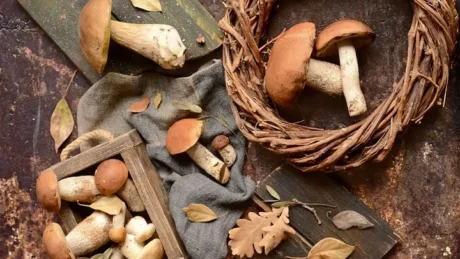
Pair that foundation with the right mushrooms, and something remarkable happens. Lion’s mane supports focus and cognitive clarity, making it ideal for creative work or intentional morning rituals. Reishi brings a calming, balancing quality that softens any stimulation into something smooth and steady. Chaga adds a layer of antioxidant protection, supporting the body at a cellular level. Together, these botanicals and fungi create a cup that works on multiple dimensions at once.
An Emerging Frontier Worth Paying Attention To
This cacao-mushroom pairing is still an open space in the wellness world. Many ceremonial cacao offerings remain focused on pure cacao traditions, which means there is real room for brands willing to go deeper into functional synergy. Soulcybin has leaned into exactly this opportunity. Their ceremonial cacao blends and adaptogenic elixirs are crafted to bring these complementary ingredients together in a single, intentional ritual drink.
In one warm cup, you can find calm energy, gentle focus, emotional grounding, and antioxidant nourishment. That is not a small thing. That is a morning ritual redesigned.
What Is a Ceremonial Cacao Ritual and How to Practice One
Long before cacao powder became a pantry staple or a smoothie ingredient, it was something far more sacred. For over 3,000 years, ancient Mesoamerican civilizations, including the Olmecs, Maya, and Aztecs, prepared cacao with deep reverence. It was called “kakaw,” the food of the gods, and it was shared in ceremony to mark unions, honor deities, and invite wisdom. It was never just a drink. It was an act of devotion.
That tradition lives on today, quietly woven into modern wellness culture, and it is more accessible than you might think.
The 4 Steps of a Simple Modern Cacao Ritual
You do not need a ceremony in the traditional sense to experience the depth of this practice. A personal cacao ritual can be as simple as carving out 15 to 30 quiet minutes in your day and approaching each step with full presence.
- Create your space. Clear the physical and mental clutter around you. Light a candle, play soft ambient music, or simply sit somewhere calm and comfortable. The environment you create signals to your nervous system that this moment is intentional.
- Set an intention. Before you even touch your cacao, pause. Hold the powder or blend in your hands and silently ask yourself what you are calling in. Clarity. Creativity. Stillness. There is no wrong answer. Intention is the thread that transforms preparation into ritual.
- Prepare your cacao mindfully. Whisk your cacao powder into hot water or warm plant milk with slow, deliberate movements. Add a pinch of cinnamon or a touch of honey if you like. Feel the warmth rise. Notice the aroma. Let the act of making it be part of the ritual, not just a means to an end.
- Sip slowly and with presence. Resist the urge to scroll or multitask. Hold the cup with both hands. Breathe. Let each sip be unhurried. Follow your ritual with journaling, meditation, or simply sitting in quiet reflection.
How Ritual Changes the Experience
Something shifts when you approach cacao this way. The same powder you might blend into a morning smoothie becomes a portal to self-connection. Theobromine, the naturally occurring compound in cacao, offers a gentle, grounded energy that pairs beautifully with meditation and journaling, supporting focus without the edge that caffeine can bring. The ritual container amplifies this. You are not just drinking something functional. You are showing up for yourself.
A Note on Serving Sizes
For a grounding daily wellness practice, around 15 to 20 grams of cacao powder is a gentle and supportive amount. This is enough to feel present, focused, and nourished without overwhelming your system. Higher ceremonial doses, typically used in facilitated group settings, can range from 40 to 50 grams and are designed for deeper, more immersive experiences. These are not intended for everyday use and are best approached with guidance.
For your personal daily ritual, the smaller wellness serving is the sweet spot. Consistent and intentional, rather than intense and occasional.
At Soulcybin, this philosophy sits at the heart of everything we create. Cacao powder is not just an ingredient. In the hands of someone who approaches it with presence, it becomes an experience, a moment of returning to yourself in a world that rarely slows down.
How to Use Cacao Powder Every Day: Rituals and Recipes
One of the most beautiful things about cacao powder is how seamlessly it fits into every part of your day. Whether you’re easing into a quiet morning or winding down before sleep, there’s a cacao ritual waiting to meet you exactly where you are. Here are four simple, soul-nourishing ways to bring cacao powder into your everyday routine.
1. Morning Ritual Hot Cacao
This is where most people fall in love with cacao powder. Start with one cup of warm plant milk, oat and coconut both work beautifully, heated gently to around 160 to 180°F. Avoid boiling, as high heat can degrade some of cacao’s delicate nutrients. Whisk in two to three tablespoons of cacao powder until fully dissolved, then stir in a natural sweetener like raw honey or maple syrup. A pinch of cinnamon adds warmth and depth, while a tiny pinch of cayenne creates a subtle heat that makes the whole cup feel alive. Sip slowly, without screens, without rushing. This is your morning ritual, not just breakfast.
2. Adaptogenic Cacao Elixir
Once you’re comfortable with the base recipe, try layering in functional ingredients for a truly multidimensional drink. Add half a teaspoon of ashwagandha for stress resilience, a teaspoon of maca for grounded energy, or half a teaspoon of lion’s mane mushroom powder for gentle mental clarity. Blend everything together for a frothy, creamy elixir that supports both body and mind. This kind of functional cacao drink is perfect for mid-morning focus or a calm afternoon reset, offering clean, sustained energy without the jittery crash.
3. Smoothies and Cacao Bowls
Cacao powder transforms an everyday smoothie into something that feels genuinely indulgent. Blend one to two tablespoons into a base of frozen banana, acai, and plant milk for a rich, antioxidant-dense bowl topped with granola, cacao nibs, and fresh berries. It adds chocolatey depth while quietly boosting the nutritional profile of every sip and spoonful.
4. Evening Wind-Down Drink
As the day softens, so can your cacao ritual. Combine one to two tablespoons of cacao powder with half a teaspoon of reishi mushroom powder in warm plant milk, sweetened lightly with maple syrup and a pinch of cardamom. Reishi is traditionally associated with calm and relaxation, making this a grounding nighttime ritual worth savoring.
A simple tip worth remembering: reach for ceremonial-grade or minimally processed cacao powder when preparing ritual beverages, as it retains more of the natural fats, flavonoids, and bioactive compounds that make it special. For baking and cooking, culinary-grade cacao works beautifully and keeps things budget-friendly.
How to Choose a Quality Cacao Powder for Wellness Use
Not all cacao powders are created equal, and once you start looking more closely at labels, you’ll realize how much variation exists between products. Here are five things to look for when choosing a quality cacao powder for your wellness practice.
1. Look for Minimal Processing Indicators
Words like raw, cold-pressed, stone-ground, and ceremonial-grade on a label are more than marketing language. They signal that the cacao was handled with care at every stage, keeping temperatures low enough to preserve heat-sensitive flavonoids, enzymes, and natural compounds. The less aggressively a cacao bean is processed, the more nutritional integrity it carries into your cup. If a label says “Dutch-processed” or “alkalized,” that product has undergone a treatment that improves solubility but significantly reduces its antioxidant content.
2. Prioritize Single-Origin or Traceable Sourcing
Single-origin cacao, sourced from one specific region or farming cooperative, tends to deliver both superior flavor and more reliable quality. Regions like Peru, Ecuador, and parts of Mesoamerica are known for producing premium wellness-grade cacao with rich, complex profiles. Traceability matters here too. Brands that share the story behind their sourcing, including which farm or community grew the beans, are typically more committed to quality and ethical practices.
3. Check for Organic Certification and Clean Ingredients
The ingredient list should be beautifully simple. Ideally, you want to see one ingredient: cacao. No fillers, no artificial flavors, no added sugars. Look for USDA Organic or equivalent certification, which minimizes pesticide exposure and often supports healthier growing conditions. It is also worth noting that some independent testing has flagged heavy metal concerns in certain cacao products, so third-party verified options offer extra peace of mind.
4. Know the Difference Between Culinary and Ceremonial Grade
Culinary cacao powder is perfect for baking, smoothies, and everyday recipes. Ceremonial-grade cacao is processed more gently, often retaining more of its natural cacao butter, which enhances the bioavailability of its active compounds. If you are building a morning ritual or a mindful drinking practice, ceremonial-grade is worth the investment. For a batch of brownies, culinary-grade works beautifully.
5. Consider the Brand’s Values
Brands rooted in regenerative farming, fair trade partnerships, and genuine ritual culture tend to prioritize quality at every step. They treat cacao as something sacred rather than a commodity, and that intention often shows up in the final product.
Cacao Powder in 2026: Why This Ingredient Is Having a Moment
Something exciting is happening in the world of wellness, and cacao powder is at the center of it.
The numbers tell a compelling story. The global organic cacao powder market is projected to grow from approximately USD 116 million in 2026 to nearly USD 206 million by 2033, reflecting a steady 7.6% annual growth rate. This isn’t just a passing trend. It reflects a deep, sustained shift in how people think about what they put in their bodies and why. Clean-label ingredients, minimal processing, and functional nutrition are no longer niche preferences. They are the new standard.
Mood and functional beverages are consistently ranked among the top emerging food and beverage categories of 2026. Mood-support drinks grew over 42% year-over-year in recent sales data, and cacao is perfectly positioned as a natural anchor in this space. Its theobromine content offers gentle, sustained energy. Its flavonoids support focus and emotional balance. It delivers a sensory experience that synthetic supplements simply cannot replicate.
The sober-curious movement is also reshaping how people approach their daily rituals. More wellness-minded consumers are stepping away from alcohol and even coffee, seeking beverages that offer presence, warmth, and grounded energy without the crash or the jitters. Ceremonial cacao has become a go-to ritual drink in this space, offering depth and intention in every cup.
Premiumization is another powerful force. Consumers are choosing single-origin, ceremonially prepared, and ethically crafted cacao products over generic commodity powders. Storytelling, sourcing, and ritual positioning now drive purchase decisions as much as price.
Perhaps most meaningfully, sustainability and traceable sourcing have become non-negotiable expectations for millennial and Gen Z consumers. Farm-to-cup transparency, regenerative agriculture, and ethical partnerships are no longer bonus features. They are the baseline for brands that want to earn lasting trust in this growing market.
Frequently Asked Questions About Cacao Powder
Is cacao powder the same as cocoa powder?
No, they are not the same. Cacao powder is minimally processed, made by cold-pressing fermented and dried cacao beans to remove most of the cacao butter while preserving natural flavonoids and nutrients. Cocoa powder goes through higher-heat roasting and is often alkalized, which mellows the flavor but reduces some of its naturally occurring compounds. Think of cacao as the raw, more nutrient-intact version and cocoa as the more processed, kitchen-friendly one.
Can you drink cacao powder every day?
Yes, most healthy adults can enjoy cacao powder daily as part of a mindful wellness routine. A good starting point is 1 teaspoon, working up to 1 to 2 tablespoons per day as your body adjusts. Those who are pregnant, sensitive to stimulants, or managing specific health conditions may want to keep portions smaller and stick to morning or midday consumption. When in doubt, check in with your healthcare provider.
Does cacao powder have caffeine?
Cacao does contain a small amount of caffeine, but its primary stimulant is theobromine. Theobromine offers a gentler, longer-lasting energy without the sharp spike and crash that caffeine often brings. Many people who find coffee too intense describe cacao as their calm, focused alternative. It is still a stimulant, so enjoy it earlier in the day if you are sensitive.
What is ceremonial cacao powder vs regular cacao powder?
Ceremonial cacao is minimally processed, often single-origin, and stone-ground into a paste that retains its natural cacao butter. It is crafted with intentional ritual use in mind. Regular cacao powder is pressed and dried into a fine powder, making it more versatile for everyday recipes. Both are wonderful; the difference lies in depth of processing and intended experience.
How do you make a cacao powder drink?
Simple Ritual Cacao (1 serving):
- 1 to 2 tablespoons cacao powder
- 1 cup warm oat milk or your preferred milk
- 1 teaspoon maple syrup
- Pinch of sea salt
- Optional: cinnamon or a pinch of cayenne
Whisk cacao into a splash of cold liquid first to prevent clumps. Heat your milk gently, add the cacao mixture, and froth until smooth and creamy. Sip slowly and intentionally.
Is cacao powder good for mood and focus?
Cacao powder is rich in flavonoids and magnesium, both of which have been studied for their relationship to brain function and nervous system support. Flavonoids may support healthy blood flow, including to the brain, while magnesium plays a role in regulating the stress response. These are not medical claims, but many people incorporate cacao into their daily rituals precisely because of how grounded and clear it helps them feel.
Your Invitation to a Daily Cacao Ritual
You’ve made it to the end of this guide, and here is the simple truth worth carrying forward: cacao powder is a nutrient-rich, minimally processed gift from the earth. Packed with flavonoids, magnesium, and theobromine, it gently supports mood, focus, calm energy, and emotional grounding in a way that feels nourishing rather than forceful.
But perhaps the most meaningful thing to remember is this: the greatest benefit of cacao doesn’t live in a single compound or nutrient. It lives in the intention you bring to the moment. The slow stir of warm liquid, the quiet breath before your first sip, the choice to be fully present rather than rushed. That presence is where the real transformation happens.
If you feel called to explore this practice more deeply, Soulcybin’s ceremonial cacao blends are crafted with exactly this in mind. Each blend is designed to support your daily ritual with care, quality, and intentionality.
Start simply. Start with one mindful cup. Let curiosity guide you, and let warmth be your compass.
Conclusion
Cacao powder is far more than a chocolate substitute. It is a time-honored superfood packed with genuine health benefits, a beautiful addition to your daily rituals, and one of the easiest ways to bring more nourishment into your routine.
To recap the big takeaways: cacao supports your body with powerful antioxidants and minerals, it can uplift your mood and energy naturally, and it connects you to a rich tradition of mindful, intentional living. Best of all, it is surprisingly simple to start using today.
So here is your call to action: pick up a bag of quality cacao powder this week and try one recipe or ritual from this guide. Start small, stay curious, and see how this ancient ingredient fits into your modern life. Your daily cup of chocolate just got a serious upgrade.